
Introduction: The Value of Case Studies in法律理解
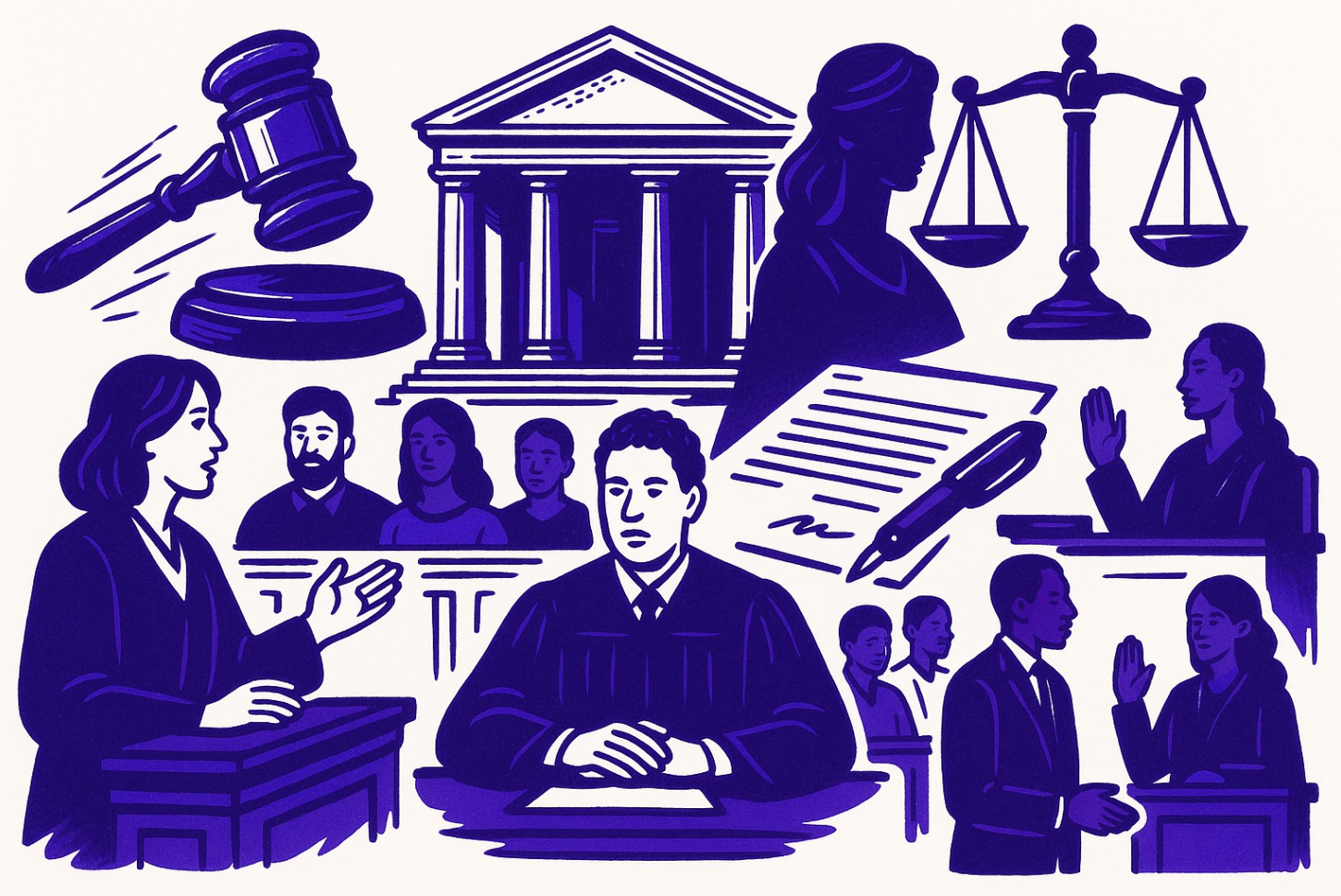
“At Legal Guardian, we think some of the best ways to illustrate the law are through the use of case studies. By using studies of actual disputes and outcomes, case studies can clarify legal concepts, demonstrate how laws are put into practice, and highlight the influences that precedent has on all of us. The case studies included in this collection have been selected for their importance or uniqueness to the development of law, guidance to legal practitioners, and enhancement of the public’s understanding. Attorneys, law students, or other interested individuals, will each find practical information about how the law works here.”
Historic Supreme Court Cases: Forming National Legal Standards
Supreme Court decisions often serve as foundations for American jurisprudence, establishing constitutional principles on which countless other cases are built. Perhaps the most notable of these decisions was Brown v. Board of Education (1954), in which a unanimous Supreme Court prohibited racial segregation in public schools. Aside from overturning the “separate but equal” doctrine instituted by the infamous Plessy v. Ferguson (1896) decision, Brown provided a jumping off point for the Civil Rights Movement. Similarly, Miranda v. Arizona (1966) created an obligation for police to alert defendants at the time of their arrest that they have certain rights, which resulted in the popularly-known “Miranda warning.” These examples show the importance of the Supreme Court in both interpreting the Constitution and molding social morals.
Criminal Law in Practice: People v. O.J. Simpson
Few criminal trials in history have fascinated the public more than The People v. O.J. Simpson (1995). The case, which concerned charges of murder against a popular former professional football player, highlighted the intricacies of criminal procedure, the nuances of evidentiary issues, and jury deliberation. The defense’s ability to create reasonable doubt-in part by challenging expert evidence and by bringing to light instances of alleged police misconduct-put in sharp relief the critical nature of due process and the presumption of innocence. The case raised national dialogue about issues of race, media sensationalism, and whether the justice system is equipped to be fair and impartial.
Business Law and Liability: The Enron Scandal
In 2001, the collapse of Enron Corporation shattered illusions in corporate law and ethics. Once considered an exemplary energy company for its innovation, the demise of Enron uncovered pervasive accounting irregularities and corporate misconduct. A series of prosecutions, notably United States v. Skilling (2010), would define the legal scope of honest services fraud and the duties of corporate officers. Furthermore, Enron spurred the enactment of The Sarbanes-Oxley Act that heightened financial and operational reporting requirements for public companies. This case illustrates the dual role of the legal profession in both enforcing accountability and shaping reforms designed to regain the public’s confidence.
Intellectual Property in the Digital Age: Apple v. Samsung
Modern technology has heightened the need for intellectual property rights, with the ongoing legal dispute between Apple Inc. and Samsung Electronics Co. over smartphone patents serving as a case in point. Starting in 2011, Apple filed multiple charges against Samsung for the alleged violation of design and utility patents, leading to myriad high-profile court cases around the world. US Courts subsequently handed Apple large sums of compensation in light of their finding that Samsung had copied several aspects of their smartphone, with favorable outcomes for other jurisdictions based on similar reasoning. The case established standards when it comes to patent infringements, damages calculations, and other matters surrounding IP practice. Its implications reach far, playing into the development of future innovations, market competition, as well as the manner in which large companies defend their creative endeavors in a rapidly digitalized world.
Family Law: Obergefell V. Hodges and the Recognition of Same Sex Marriages
Major shifts have shaped the landscape of family law over the years, in cases such as Obergefell v. Hodges, 576 U.S. 644 (2015), in which the US Supreme Court decided that same-sex couples cannot be deprived of the right to marry under the Constitution. The case created a single national legal standard for same-sex marriage, while invalidating state laws across the nation prohibiting these marriages and providing full legal status to LGBTQ families. The opinion not only confirmed equal protection and due process but also mirrored changing norms and public opinion. Obergefell v. Hodges is one of those cases that people still cite as the leading case demonstrating ongoing civil rights activism, litigation related to family law issues, and the role of the courts in furthering social change.
Tort Law in Action: Liebeck V. McDonald’s Restaurants
Widely mischaracterized in the modern media, Liebeck v. McDonald’s Restaurants (the “McDonald’s Case”) (1994) is a landmark case in personal injury law and product liability law. Stella Liebeck was a customer who suffered severe burns after spilling hot coffee she purchased from McDonald’s. The jury found the temperature of the coffee to be unreasonably dangerous and that McDonald’s had previously received many complaints. At trial, Stella Liebeck obtained a massive verdict. However, the amount of the verdict was later reduced on appeal. On another level, the case stirred national controversy over tort reform, consumer safety, and the moral values of major corporations toward their customers.
Emerging Areas of Law to Watch: Data Privacy, Carpenter V. United States
As technology evolves, the court system is called on to articulate the parameters of individual privacy rights and limitations on governmental authority. In Carpenter v. United States (2018), the Court addressed the question of whether the government must obtain a warrant in order to access cell phone location history. The Court answered that question in the affirmative, holding that a warrant was required. The decision represented a substantial broadening of the scope of the Fourth Amendment in the technological age. While the application of the Fourth Amendment is continually tested in new and interesting directions, this case is illustrative of how court systems are able to adapt foundational constitutional tenets to address new technological challenges.
Why Case Studies are Important to Legal Practitioners and the General Public
The case studies collected here have great value not just as snapshots of a specific time and place, but as lessons for the present. For practitioners, they hold examples of strategy, rules of evidence and ethical challenges; for students, they show an application of abstract legal theories; for the general public, a deepened sense of the complications and fluidity of the law. By deconstructing results and reasoning in real-life scenarios, Legal Guardian continues its work of connecting nuts-and-bolts legal theory with day-to-day realities.
Stay Up to Date: Get Legal Guardian Here
Legal Guardian is committed to providing accurate, prompt and accessible legal information. Our experienced legal team provides comprehensive case studies, articles and information across a wide range of practice areas to ensure that you are up-to-date on the most relevant aspects of law. Subscribe to our free newsletter for our latest case studies, legal news from around the web and expert analysis. For questions, comments or further information please call (915) 373-3946, email [email protected] or visit us at 500 W San Antonio Ave Ste 10, El Paso TX 79901. Knowledge is power; empowerment begins here.